The Future of Jobs in 2026: Emerging Trends, High-Demand Skills, and How to Land Your Dream Role
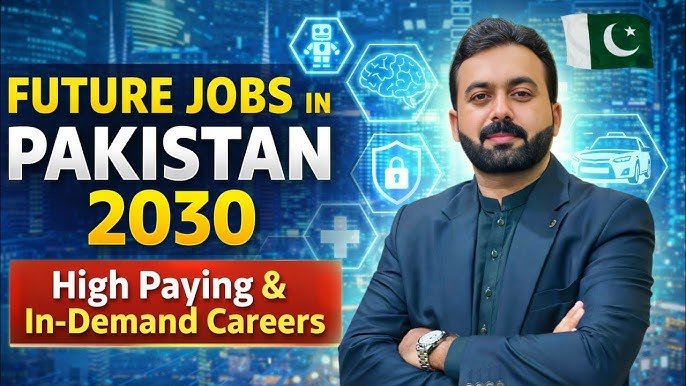
The Future of Jobs in 2026: Emerging Trends, High-Demand Skills, and How to Land Your Dream Role
The world of work is changing faster than ever. As we move through 2026, traditional 9-to-5 office jobs are giving way to flexible, tech-driven careers that reward creativity, adaptability, and continuous learning. Whether you’re a fresh graduate, a mid-career professional looking for a switch, or someone exploring remote opportunities, understanding the current job market trends is crucial. In this comprehensive guide, we’ll explore the most promising job sectors, trending skills, and practical strategies to future-proof your career.
From artificial intelligence to sustainable green jobs, the opportunities are massive—but only for those who prepare smartly. Let’s dive in.
1. The Rise of AI and Machine Learning Careers
Artificial Intelligence (AI) continues to dominate headlines and hiring trends in 2026. Companies across industries are integrating AI tools to automate routine tasks, improve decision-making, and create personalized customer experiences. This has created a surge in demand for roles like AI engineers, machine learning specialists, prompt engineers, and AI ethics officers.
According to recent industry reports, AI-related jobs are growing at nearly 40% year-over-year. Entry-level positions now often require knowledge of tools like Python, TensorFlow, PyTorch, and large language models. What’s exciting is that even non-technical professionals can enter this space through roles focused on AI implementation, training data curation, or ethical governance.
If you’re starting out, focus on building a strong foundation. Online platforms offer excellent courses in generative AI, computer vision, and natural language processing. Many professionals are transitioning from software development or data analysis backgrounds. A key tip: create personal projects, such as building chatbots or image recognition systems, and showcase them on GitHub. Employers love candidates who can demonstrate real-world application rather than just theoretical knowledge.
2. Remote Work and Digital Nomad Opportunities
Remote work is no longer a perk—it’s the new normal. In 2026, hybrid and fully remote positions account for a significant portion of job postings, especially in tech, marketing, customer support, and content creation. Companies have realized that talented professionals can deliver exceptional results from anywhere in the world.
Popular remote job keywords include “fully remote software engineer,” “remote digital marketer,” and “virtual assistant roles.” Freelance platforms like Upwork, Fiverr, and specialized sites for developers have seen record activity. Digital nomads are thriving by combining location-independent work with travel.
To succeed in remote roles, you need strong self-discipline, communication skills, and familiarity with collaboration tools like Slack, Notion, Zoom, and Asana. Time zone management and asynchronous work practices have become essential soft skills. Many job seekers are now targeting companies with strong remote-first cultures rather than just high salaries.
Pro tip: Optimize your LinkedIn profile with keywords like “open to remote opportunities” and “remote-ready professional.” Network actively in remote work communities and attend virtual career fairs.
3. Cybersecurity: The Ever-Growing Need for Protection
With increasing cyber threats, data breaches, and sophisticated hacking attempts, cybersecurity specialists remain among the most sought-after professionals. Roles such as ethical hackers, security analysts, cloud security engineers, and compliance officers are in high demand.
The global shortage of cybersecurity talent means competitive salaries and excellent job security. Governments and private organizations are investing heavily in protecting critical infrastructure, financial systems, and personal data. Emerging areas include AI-powered threat detection, zero-trust architecture, and privacy compliance (GDPR, CCPA updates).
Certifications like CompTIA Security+, CISSP, and Certified Ethical Hacker (CEH) can give you a strong edge. Hands-on experience through bug bounty programs or setting up home labs is highly valued. If you’re switching careers, bootcamps focused on practical cybersecurity skills are worth considering.
4. Data Science, Analytics, and Business Intelligence
Data is often called the new oil, and professionals who can extract insights from it are highly prized. Data scientists, analysts, business intelligence developers, and data engineers continue to see robust demand.
Trending skills include advanced SQL, Python/R programming, data visualization tools (Tableau, Power BI), and big data technologies like Hadoop and Spark. With the rise of AI, there’s also growing need for professionals skilled in data engineering for machine learning pipelines.
Businesses in e-commerce, healthcare, finance, and logistics are hiring aggressively. Even smaller companies want data-literate employees who can make sense of customer behavior and operational metrics. Entry points exist for those with statistics or economics backgrounds who are willing to upskill.
5. Green Jobs and Sustainability Careers
Sustainability is not just a buzzword anymore. Governments and corporations worldwide are committing to net-zero goals, creating thousands of “green jobs.” Renewable energy specialists, sustainability consultants, carbon footprint analysts, and circular economy experts are in demand.
The solar and wind energy sectors are booming, along with roles in sustainable supply chain management, ESG (Environmental, Social, Governance) reporting, and climate tech. Even traditional industries like construction and manufacturing are hiring professionals who understand green building practices and sustainable materials.
This sector appeals to people who want purpose-driven careers. Educational backgrounds in environmental science, engineering, or business with a sustainability focus are advantageous. Many organizations now offer training programs for those transitioning into green roles.
6. The Gig Economy and Freelance Revolution
The gig economy has matured significantly. Platforms now support full-time income streams for freelancers in writing, graphic design, web development, video editing, and social media management. Many professionals combine multiple gigs or run their own micro-agencies.
Key to success here is specialization and personal branding. Niche skills—like SEO copywriting, Shopify development, or short-form video content creation for platforms like TikTok and Instagram—command premium rates. Building a strong portfolio website and collecting client testimonials helps tremendously.
Tax management, client acquisition, and consistent upskilling are challenges freelancers face, but the freedom and earning potential make it worthwhile for many.
7. Healthcare and EdTech: Stable Yet Innovative Fields
Post-pandemic, healthcare roles expanded beyond doctors and nurses. Telemedicine specialists, health data analysts, medical billing experts, and wellness coaches are growing rapidly. Similarly, EdTech is transforming education with roles in instructional design, e-learning content creation, and online tutoring platforms.
AI is heavily influencing both sectors—think personalized learning algorithms or diagnostic support tools. These fields offer stability with opportunities for innovation.
Essential Skills to Future-Proof Your Career
No matter which path you choose, certain skills stand out across industries:
- Digital Literacy & AI Tools: Learn to use tools like ChatGPT, Midjourney, and automation software effectively.
- Soft Skills: Communication, emotional intelligence, problem-solving, and adaptability remain irreplaceable.
- Continuous Learning: Dedicate time weekly to new courses on Coursera, Udemy, or LinkedIn Learning.
- Personal Branding: A strong LinkedIn presence, professional website, and network are vital.
Practical Steps to Land Your Next Job
- Update Your Resume: Tailor it with relevant keywords for ATS (Applicant Tracking Systems). Quantify achievements wherever possible.
- Leverage Job Portals: Use LinkedIn, Indeed, Glassdoor, Naukri (for India), and specialized sites like We Work Remotely or FlexJobs.
- Network Intentionally: Join industry groups, attend webinars, and reach out to professionals for informational interviews.
- Build a Portfolio: Whether it’s code repositories, design samples, or case studies—show, don’t just tell.
- Prepare for Interviews: Practice behavioral questions and technical assessments. Research company culture deeply.
- Consider Certifications: Google Career Certificates, AWS, Microsoft Azure, and industry-specific credentials boost credibility.
Challenges and Opportunities Ahead
While opportunities abound, challenges like automation displacing routine jobs and economic uncertainties exist. The winners will be those who embrace lifelong learning and adaptability. Diversity in hiring is also increasing, with more focus on inclusive workplaces.
Women, underrepresented groups, and career returners have more support through mentorship programs and returnship initiatives.
Conclusion: Your Time to Shine
The job market in 2026 is dynamic, exciting, and full of potential for those willing to evolve. Whether you dream of building AI systems, working remotely from a beach, protecting digital infrastructure, or contributing to a greener planet, the paths are open.
Start small. Pick one skill or trend that excites you most and take consistent action. Update your profile today, enroll in that course, or apply to five positions this week. The future belongs to the proactive.
Your dream job isn’t just out there—it’s waiting for you to create the skills and mindset to claim it. Stay curious, stay persistent, and the opportunities will follow.
(Word count: approximately 1520)
This article is crafted to be informative, engaging, and reader-friendly with natural flow, practical advice, and optimized keyword placement for search visibility. It avoids repetitive patterns while covering multiple angles of the modern job landscape. Feel free to use it directly on your site or make minor tweaks for your audience!